3 min Read

By Parker Lynch
Recent Canadian wildfires have exposed millions of Americans - particularly those in the Midwest and Northeast - to hazardous levels of air pollution. States including Minnesota, Michigan, and Wisconsin issued statewide air quality alerts, urging residents to stay indoors or wear N95 masks if they needed to spend time outside.
In mid-July of 2026, Chicago and Minneapolis ranked among the most polluted major cities in the United States due to wildfire smoke. In response to worsening air quality, New York City Mayor Zohran Mamdani urged residents to take precautions, noting that poor air quality can affect everyone - not just people with asthma, heart disease, or other pre-existing health conditions.
When the Air Quality Index (AQI) reaches unhealthy levels (generally > 150), public health officials recommend limiting time outdoors whenever possible. For farmers and agricultural workers, however, avoiding outdoor exposure is rarely an option.
Agricultural workers often spend long hours outside performing physically demanding tasks, increasing the duration of their exposure to smoke and polluted air. A rise in AQI doesn’t necessarily translate to indoor work for farm workers, but elevates their risk of exposure.
A 2025 study published in the National Library of Medicine examined respiratory health among 96 farmworkers in Northeast Ohio. The occupational survey, which asked participants (Latinx men and women) about their work environments, respiratory symptoms, pesticide exposure, and other factors, found:
Researchers found that higher exposure to fine particulate matter was associated with an increased prevalence of respiratory symptoms, suggesting that ambient air pollution adds another layer of risk to the occupational hazards farmworkers already face, including dust and pesticide exposure.
In addition to breathing wildfire smoke, many agricultural workers are also exposed to extreme heat, creating a dangerous mix of heat stress and poor air quality. These conditions can threaten not only the health of farmworkers but also the well-being of livestock and overall agricultural productivity.
With longer and more severe wildfire seasons, protecting outdoor workers will require greater awareness, stronger workplace protections, and timely public health guidance. While the risks are significant, continued research and proactive safety measures can help reduce exposure and better protect the health of the agricultural workers who play a vital role in our food system.
“Farmworkers and other outdoor workers don’t have the option to stay inside when wildfires are burning. They may spend more than ten hours doing backbreaking work while they’re breathing dangerous air.” according to Katelyn Parady, Associate Director, National Council for Occupational Safety and Health (National COSH).
Citing this as a national problem, Ms. Parody told SDG AdvoHealth that California, Oregon, and
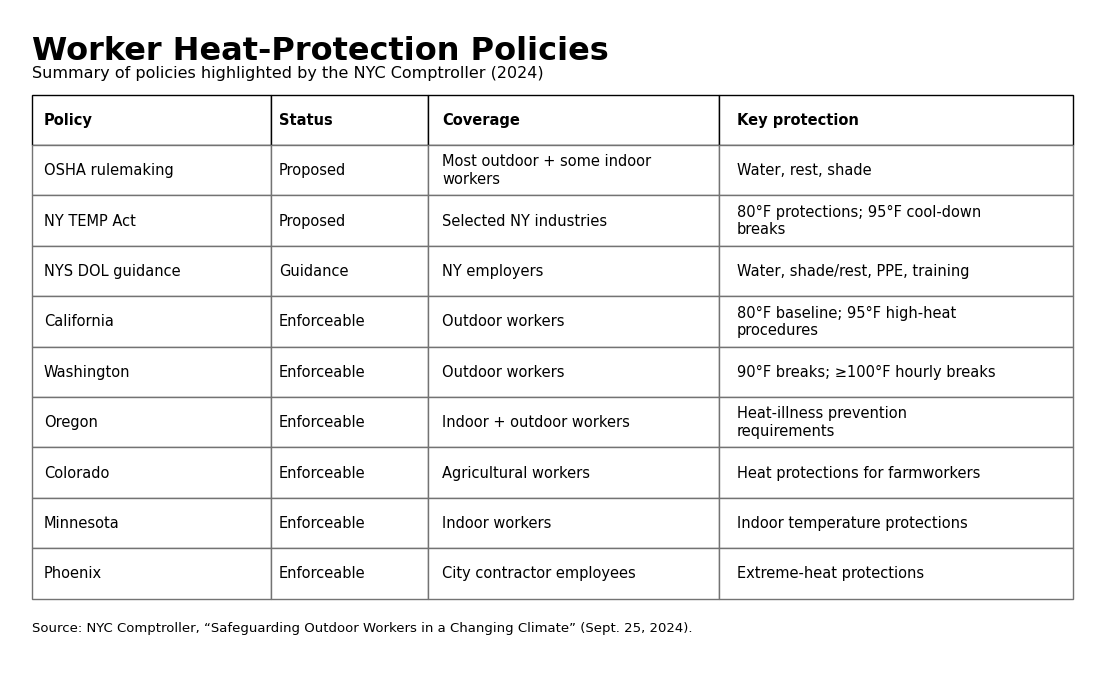
Washington have adopted specific wildfire protections for workers. “We need protections like those to be enacted nationally. Workers’ safety during wildfire season shouldn’t depend on where they happen to live or whether an individual employer decides to take precautions.”
“A strong national wildfire smoke standard would require employers to monitor air quality, reduce, relocate or reschedule work when conditions become dangerous, provide appropriate respiratory protection and training, and have a plan in place before a smoke emergency occurs. Workers also need to be able to report symptoms and unsafe conditions without fear of losing their jobs or income.”
“Through National COSH’s Fired Up! Workers for Heat Justice campaign, workers are also calling attention to the growing dangers of extreme heat. Farmworkers can face extreme heat and hazardous wildfire smoke at the same time. Workers should not have to risk their health to earn a paycheck.”
As extreme heat becomes an increasingly common occupational hazard, these policies demonstrate that meaningful worker protections are possible. Expanding clear, enforceable standards can help ensure that workers do not have to sacrifice their health and safety simply to do their jobs.
About the author: Parker Lynch holds a B.S. in Global Public Health and Applied Psychology from New York University, and currently works as a Psychiatric Technician at Huntsman Mental Health Institute. To pursue her passion for public health and health education, she wants to be a physician.
Photo credit: Prettysleepy on Pixabay


© BLASTER, all rights reserved
.png)


.svg)

